

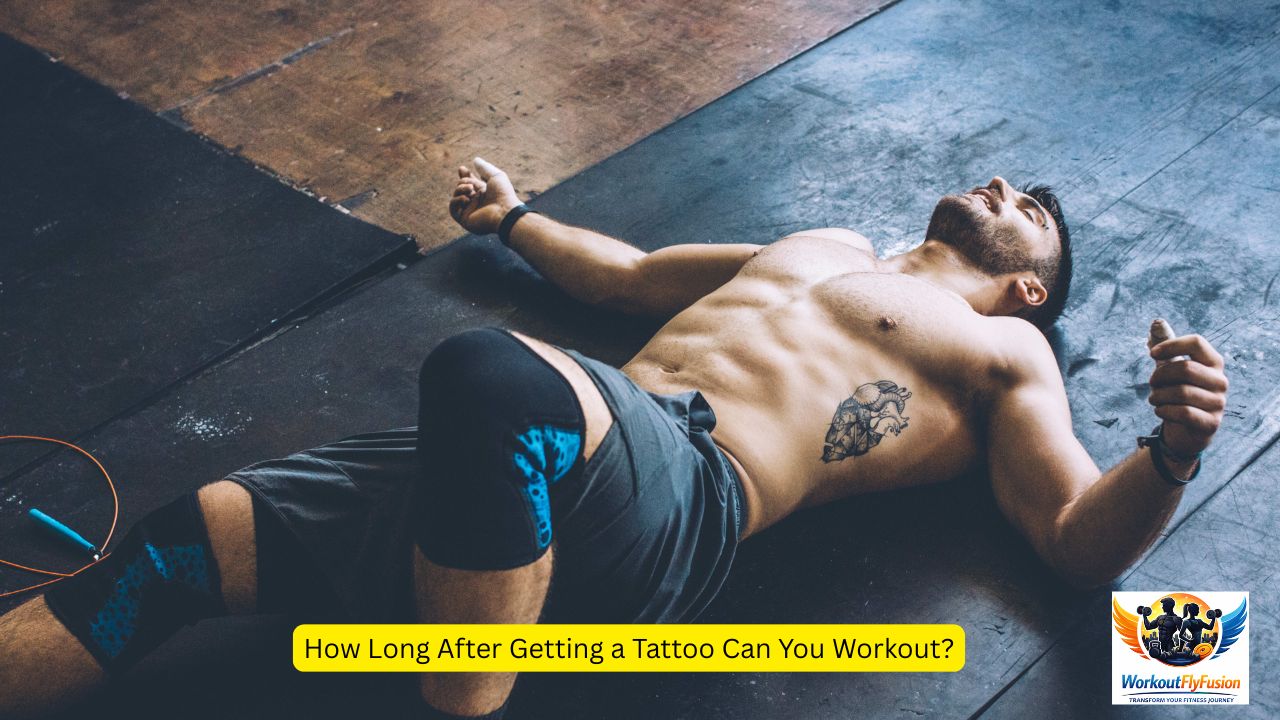
Getting a new tattoo is exciting—it’s personal, meaningful, and often long-awaited. But once the adrenaline fades, reality hits with a very practical question: how long after getting a tattoo can you workout? If you’re someone who lives for the gym, runs daily, or just hates skipping workouts, this question matters more than you think.
A tattoo isn’t just body art. It’s essentially a controlled wound. Your skin has been punctured thousands of times, and your body needs time to heal. Ignoring that healing process can turn a great tattoo into a faded, infected mess.
Let’s break it all down in a clear, no-nonsense way.
Understanding the Tattoo Healing Process
What Happens to Your Skin During a Tattoo
When a tattoo needle deposits ink into the dermis layer of your skin, it creates tiny wounds. Your immune system immediately jumps into action, sending white blood cells to heal the area and lock the ink in place. This is why aftercare—and rest—is so important.
Stages of Tattoo Healing
Initial Healing Phase (Days 1–3)
This is when your tattoo is fresh, swollen, red, and possibly oozing plasma or ink. The skin is extremely vulnerable during this stage.
Peeling and Itching Phase (Days 4–14)
Your tattoo may flake and itch like a bad sunburn. This is normal, but friction, sweat, and stretching can damage the design.
Final Healing Phase (Weeks 3–6)
The surface looks healed, but deeper layers are still repairing themselves. This is where patience really pays off.
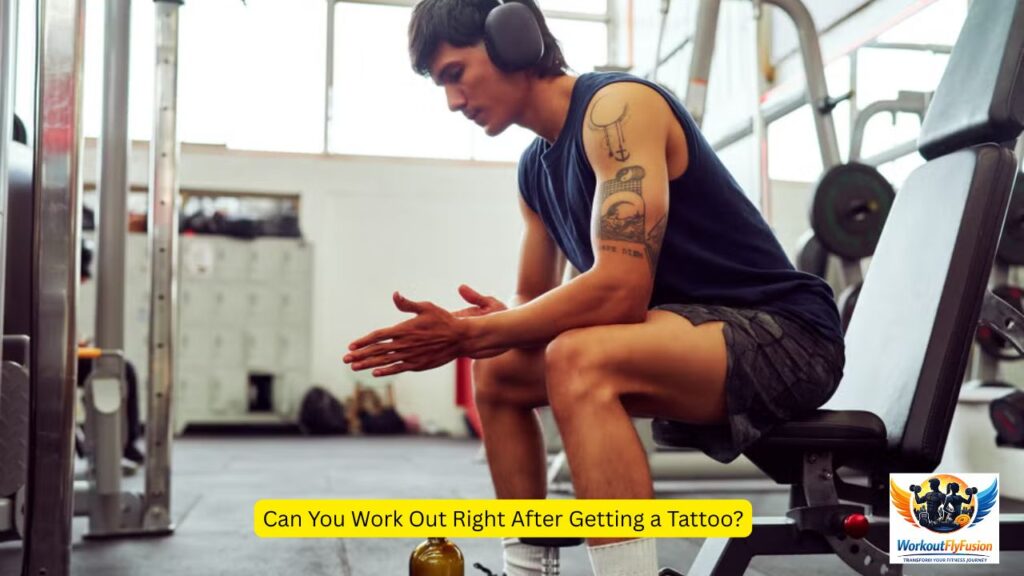
Can You Work Out Right After Getting a Tattoo?
The Short Answer
No. Working out immediately after getting a tattoo is not recommended.
Why Immediate Workouts Are Risky
Sweat, friction, bacteria, and stretching can all interfere with healing. Gyms are breeding grounds for germs, and a fresh tattoo is basically an open invitation for infection.
How Long Should You Wait Before Working Out?
General Timeline for Safe Exercise
- Small tattoos: Wait at least 48–72 hours
- Medium tattoos: Wait 3–5 days
- Large or detailed tattoos: Wait 7–10 days or more
This is a general guideline, not a rulebook. Your body, your tattoo, and your lifestyle all matter.
Differences Based on Tattoo Size and Placement
A tiny wrist tattoo heals faster than a full back piece. Areas that stretch or rub against clothing need extra time.
Tattoo Placement and Workout Restrictions
Tattoos on Arms and Shoulders
Light workouts may resume after 3–4 days, but avoid heavy lifting that stretches the skin.
Tattoos on Legs
Running, squats, and cycling should wait at least a week. Leg tattoos experience constant movement and friction.
Tattoos on Chest, Back, and Core
These areas stretch during almost every exercise. Give them at least 7–10 days before resuming workouts.
Tattoos on Hands, Feet, and Joints
These are high-movement areas and heal slowly. Waiting 10–14 days is often necessary.
Types of Workouts and Their Impact on Tattoos
Cardio Exercises
Light walking is usually fine after a few days. Intense running or HIIT? Wait longer.
Weight Training
Heavy lifting increases blood flow and skin tension, which can push ink out or cause scarring.
Yoga and Stretching
Twisting and stretching can distort healing skin. Avoid yoga for at least a week.
Swimming and Water-Based Workouts
Swimming is a big no-no for at least 2–3 weeks. Pools, oceans, and lakes are full of bacteria.
Risks of Working Out Too Soon After a Tattoo
Infection Risks
Sweat mixed with bacteria can easily infect a fresh tattoo.
Ink Fading and Blowouts
Excess movement can cause ink to spread or fade unevenly.
Delayed Healing and Scarring
Rushing back into workouts can turn a smooth tattoo into a scarred one.
Signs Your Tattoo Is Ready for the Gym
Visual Signs of Healing
- No redness
- No scabbing
- Minimal peeling
How It Should Feel
If it doesn’t hurt, itch excessively, or feel tight, you’re probably good to go—slowly.
How to Protect Your Tattoo When You Return to Workouts
Clothing Choices
Wear loose, breathable clothing that won’t rub the tattoo.
Hygiene and Aftercare
Clean equipment, clean hands, clean skin—every time.
Post-Workout Tattoo Care
Shower immediately and apply a recommended tattoo moisturizer.
Tips for Athletes and Fitness Enthusiasts
Planning Tattoos Around Training Schedules
Schedule tattoos during rest weeks or off-seasons.
Communication with Your Tattoo Artist
Tell them about your fitness routine. A good artist will guide you.
Common Myths About Tattoos and Exercise
Sweating Ruins Tattoos
Sweat alone isn’t the enemy—bacteria and friction are.
Gym Air Is Always Unsafe
The gym isn’t evil, but it’s risky for fresh tattoos.
When to Avoid Working Out Completely
Signs of Infection
- Excessive redness
- Pus
- Fever
- Severe pain
When to Consult a Professional
If something feels off, stop exercising and see a doctor or your tattoo artist.
Long-Term Tattoo Care for Active People
Maintaining Color and Detail
Moisturize regularly and avoid excessive friction.
Sun and Sweat Protection
Use sunscreen once healed and clean your skin after workouts.
Final Thoughts Before Hitting the Gym
Think of your tattoo like a new investment. Would you scratch a fresh car paint job? Probably not. Give your body time to heal, ease back into workouts, and your tattoo—and gains—will thank you.
Conclusion:-
So, how long after getting a tattoo can you workout? The honest answer is: it depends. Most people should wait at least 3–7 days, and longer for large or high-movement tattoos. Rushing back too soon risks infection, fading, and long-term damage. Patience now means a sharper tattoo forever.
FAQs:-
1. Can I workout the day after getting a tattoo?
No. The risk of infection and ink damage is very high.
2. Is sweating bad for a new tattoo?
Excessive sweating can introduce bacteria and slow healing.
3. Can I lift weights with a new tattoo?
Light lifting may be okay after a few days, but avoid heavy strain.
4. When can I swim after getting a tattoo?
Wait at least 2–3 weeks before swimming.
5. What if my tattoo hurts after working out?
Stop immediately and focus on aftercare. Pain is a warning sign.

dilaawarrajput@gmail.com
Fitness writer sharing practical, evidence-aware guidance for stronger everyday living.