


If you’re dealing with a hernia and staring at your gym shoes, wondering, “Can I still work out?” — you’re not alone. This question pops up more often than leg day memes. The short answer? Yes, sometimes — but it depends. The long answer? Let’s unpack it properly, without fear-mongering or gym-bro myths.
Think of a hernia like a weak spot in a tire. You can still drive for a while, but hit too many potholes, and boom — trouble. Your workouts can either protect that weak spot or make it worse. Let’s make sure you choose wisely.
Understanding What a Hernia Really Is
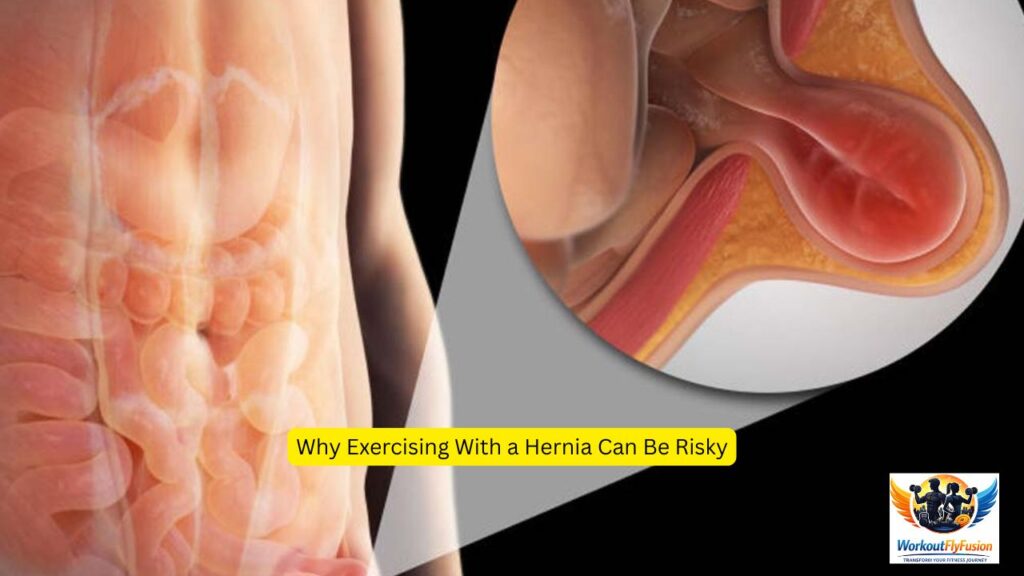
A hernia happens when an internal organ or tissue pushes through a weak spot in your muscle wall. It’s not always dramatic, but it is serious if ignored.
Types of Hernia
Inguinal Hernia
The most common type, especially in men. It appears near the groin and often shows up during lifting or coughing.
Umbilical Hernia
Seen around the belly button. Common in infants, but adults get it too — especially with obesity or pregnancy.
Hiatal Hernia
This one’s different. Part of your stomach pushes up into your chest. Exercise rules vary here.
Incisional Hernia
Happens at the site of a previous surgery. The scar area becomes the weak point.
What Causes a Hernia?
Hernias don’t usually appear overnight. They’re built slowly, brick by brick, through:
- Heavy lifting with poor form
- Chronic coughing
- Obesity
- Constipation and straining
- Pregnancy
- Weak core muscles
In short: pressure + weakness = hernia.
Common Symptoms You Should Not Ignore
Some hernias whisper before they scream. Watch for:
- A visible bulge that disappears when lying down
- Discomfort or burning sensation
- Pain during lifting or bending
- Heaviness in the groin or abdomen
Pain isn’t always severe — and that’s what makes it dangerous.
Can You Workout With a Hernia? (The Real Answer)
Yes, you can work out with a hernia — but not like before. Exercise doesn’t automatically worsen a hernia, but wrong exercise absolutely can.
If your hernia is:
- Small
- Not painful
- Reducible (can be pushed back)
You may continue light, controlled exercise under guidance.
Why Exercising With a Hernia Can Be Risky
Every time you brace hard or hold your breath, your abdominal pressure spikes. That pressure pushes outward — exactly where your muscle wall is already weak.
That’s why exercises like heavy squats or deadlifts are risky. You’re basically inviting the hernia to grow.
When Exercise Might Be Safe
Exercise may be safe if:
- You’re pain-free
- Movements are controlled
- You avoid straining
- You breathe properly
If exercise feels like pressure, pulling, or sharp discomfort — stop.
Exercises You Should Avoid With a Hernia
Heavy Weightlifting
- Deadlifts
- Squats
- Bench press
- Overhead press
These increase intra-abdominal pressure like crazy.
High-Pressure Core Exercises
- Sit-ups
- Crunches
- Leg raises
- Planks
Yes, even planks. They look innocent but create massive internal pressure.
Safe Exercises You Can Do With a Hernia
Walking and Light Cardio
Walking is gold. It improves circulation without stressing the core.
Gentle Stretching
Focus on hips, hamstrings, and upper back — not aggressive abdominal stretches.
Low-Impact Strength Training
- Resistance bands
- Light dumbbells
- Machines with back support
Slow reps > heavy weight.
Can Core Exercises Help or Hurt a Hernia?
Both.
A weak core causes hernias, but aggressive core training worsens them. The key is rehabilitative core work, not bodybuilding abs.
Focus on:
- Pelvic tilts
- Diaphragmatic breathing
- Isometric stability
If it feels like bracing hard — you’re doing too much.
Yoga and Hernia: Is It Safe?
Yoga can help or harm — depends on the poses.
Avoid:
- Boat pose
- Plow pose
- Intense twists
Safer options:
- Child’s pose
- Cat-cow
- Gentle seated stretches
Yoga should feel relaxing, not straining.
Breathing Techniques That Matter More Than You Think
Breath-holding (Valsalva maneuver) is a hernia’s best friend — and your worst enemy.
Practice:
- Exhaling during effort
- Belly breathing
- Slow nasal breathing
If you’re holding your breath, you’re pushing pressure outward.
Workout Tips If You Have a Hernia
- Train at 50–60% intensity
- Avoid ego lifting
- Stop before fatigue
- Focus on posture
- Rest more than usual
Your goal isn’t gains — it’s damage control.
Should You Wear a Hernia Belt During Exercise?
A hernia belt can:
- Reduce discomfort
- Provide support
- Prevent bulging during movement
But it’s not a cure. Think of it like a seatbelt — helpful, but not permission to drive recklessly.
Working Out After Hernia Surgery
Post-surgery timelines usually look like:
- Walking: 1–2 weeks
- Light exercise: 4–6 weeks
- Strength training: 8–12 weeks
Rushing recovery is how people end up back on the operating table.
When to Stop Exercising and See a Doctor
Stop immediately if you feel:
- Sharp or worsening pain
- Nausea or vomiting
- A bulge that won’t go back in
- Sudden swelling or redness
These are red flags — don’t power through them.
Final Thoughts:–
So, can you work out with a hernia?
Yes — carefully.
Exercise can keep you healthy, but with a hernia, restraint is strength. Train smart, breathe right, and respect your limits. Sometimes the bravest move isn’t lifting heavier — it’s stepping back before things get worse.
FAQs:-
1. Can working out make a hernia worse?
Yes. Heavy lifting and straining can enlarge a hernia quickly.
2. Is walking safe with a hernia?
Absolutely. Walking is one of the safest exercises.
3. Can a hernia heal on its own with exercise?
No. Hernias don’t heal without surgery, but symptoms can be managed.
4. Should I stop gym completely if I have a hernia?
Not always. Modify, don’t eliminate — unless advised otherwise.
5. Is surgery the only permanent solution?
Yes. Surgery is the only definitive treatment for a hernia.

dilaawarrajput@gmail.com
Fitness writer sharing practical, evidence-aware guidance for stronger everyday living.