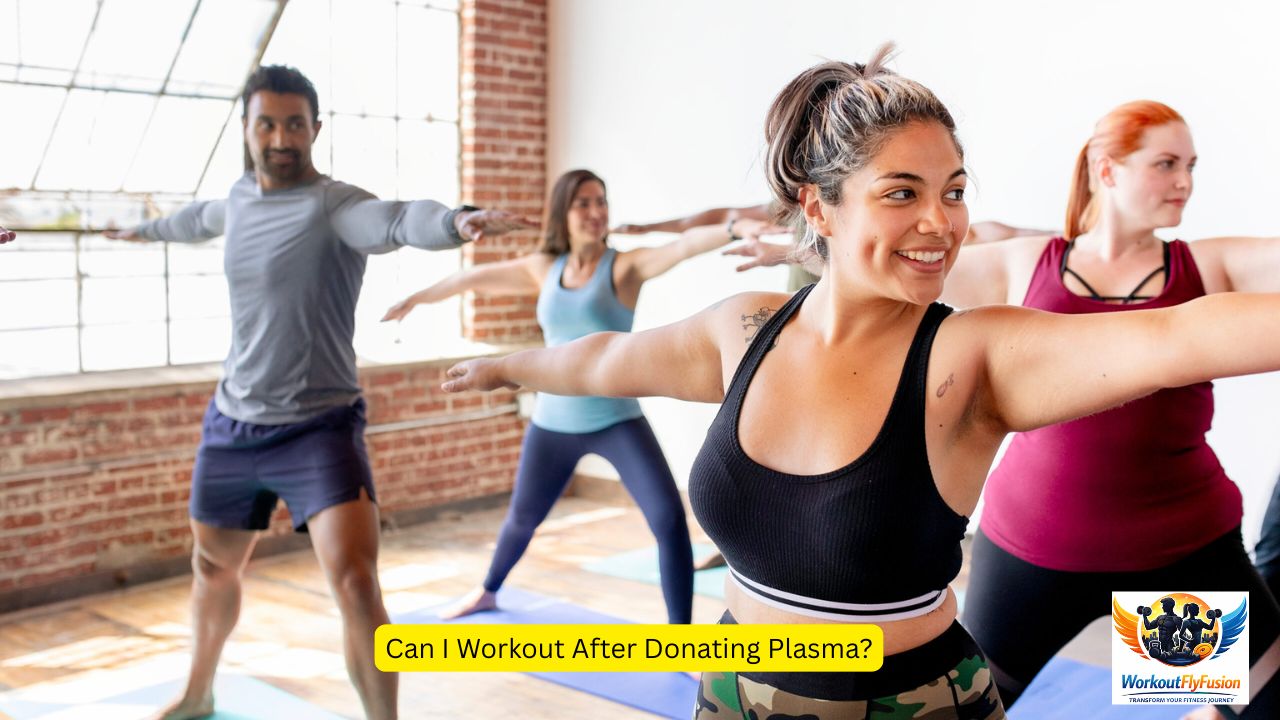
Donating plasma is an amazing thing—you’re literally helping save lives. But if you’re someone who lives for gym sessions, runs, or home workouts, one question probably pops up immediately after donation: can I workout after donating plasma?
Short answer? Yes—but not right away.
Long answer? Stick with me, because your body deserves a little respect after giving part of itself to help others.
Let’s break it all down in a simple, human way—no medical jargon overload, no fear tactics, just real talk.
Understanding Plasma Donation
What Is Plasma?
Plasma is the pale-yellow liquid part of your blood. Think of it as the delivery truck of your body—it carries nutrients, hormones, proteins, and antibodies wherever they need to go. Without plasma, your blood cells would be like passengers stuck at a bus stop.
Plasma makes up about 55% of your total blood volume, so yeah, it’s kind of important.
How Plasma Donation Works
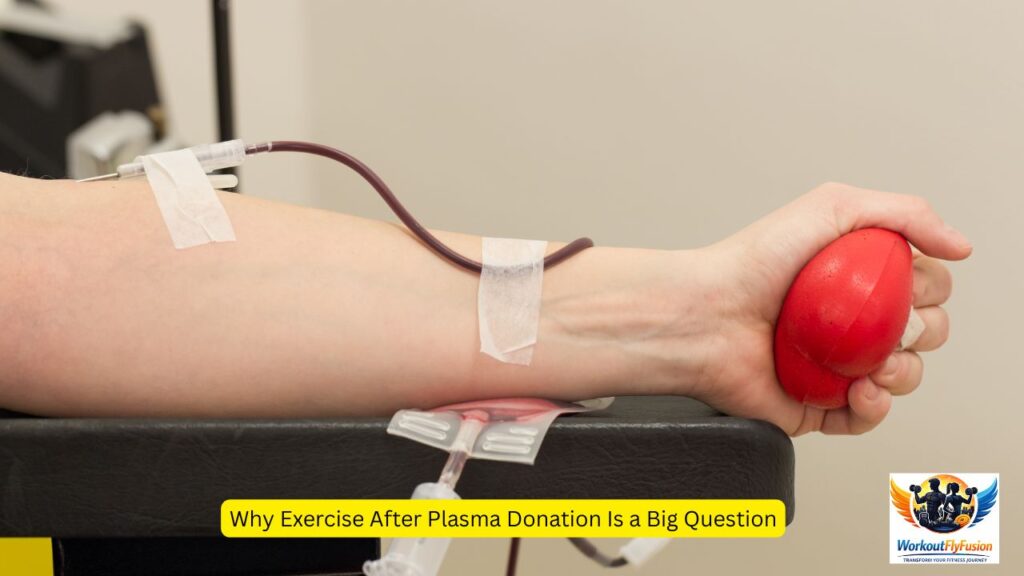
During plasma donation, blood is drawn from your arm, plasma is separated using a machine, and the remaining red blood cells and platelets are returned to your body. This process is called plasmapheresis.
The whole thing usually takes 60–90 minutes, which is longer than donating whole blood.
How Much Plasma Is Removed
Typically, around 600–800 ml of plasma is collected per session, depending on your weight and local regulations. Your body will replace it—but not instantly.
Why Exercise After Plasma Donation Is a Big Question
What Happens to Your Body After Donation
After donating plasma, your body goes into recovery mode. Blood volume temporarily drops, hydration levels take a hit, and your cardiovascular system has to work a bit harder.
Imagine removing oil from a car engine and then flooring the accelerator. Not the best idea, right?
Blood Volume, Hydration, and Energy Levels
Plasma is mostly water. Losing it can lead to:
- Mild dehydration
- Lower blood pressure
- Reduced oxygen delivery
All of these can seriously affect workout performance—and safety.
Can I Workout After Donating Plasma? (Short Answer)
General Medical Recommendations
Most health professionals recommend avoiding exercise for at least 24 hours after donating plasma.
Light activity might be okay for some people, but intense workouts? That’s a hard no on the same day.
Why Waiting Matters
Working out too soon increases the risk of:
- Dizziness
- Fainting
- Nausea
- Muscle weakness
Basically, your body needs time to refill the tank before you hit the gas again.
How Long Should You Wait Before Working Out?
Same-Day Workouts: Is It Safe?
In most cases, no. Same-day workouts—especially intense ones—are risky.
Even if you feel okay, your blood pressure and hydration levels may not be fully stable yet.
Next-Day Workouts
The next day is usually safe for light to moderate exercise, as long as:
- You’re well-hydrated
- You’ve eaten properly
- You feel normal (no dizziness or fatigue)
Light vs Intense Exercise Timing
- Light exercise: 12–24 hours
- Moderate exercise: 24 hours
- Heavy lifting or HIIT: 48 hours (especially for frequent donors)
Types of Workouts and Plasma Donation
Cardio After Plasma Donation
Walking
Walking is usually safe after 12–24 hours. It’s low-impact and helps circulation without stressing your system.
Running
Running increases heart rate and blood flow. Wait 24–48 hours, especially for long-distance or high-intensity runs.
Strength Training
Weightlifting puts pressure on veins—especially the donation arm. Wait at least 24–48 hours, and avoid training the donation arm first.
HIIT and CrossFit
These workouts are intense and unforgiving. Best to wait 48 hours. Your body will thank you.
Yoga and Stretching
Gentle yoga or stretching is usually safe after 24 hours, but avoid inversions or poses that cause dizziness.
Risks of Working Out Too Soon
Dizziness and Fainting
Low blood volume + exercise = lightheadedness. This is the most common issue.
Low Blood Pressure
Sudden movements can cause blood pressure to drop, making you feel woozy or unstable.
Increased Risk of Injury
When you’re tired or dizzy, form suffers. That’s how injuries happen.
Delayed Recovery
Pushing too soon can slow down plasma regeneration, leaving you feeling drained for days.
Signs You Should Not Workout After Donating Plasma
Physical Warning Signs
Skip your workout if you feel:
- Lightheaded
- Weak
- Nauseous
- Short of breath
- Pain or swelling in the donation arm
When to Seek Medical Help
If symptoms like fainting, chest pain, or severe dizziness occur, get medical help immediately.
How to Recover Faster After Plasma Donation
Hydration Tips
Drink extra fluids for 24–48 hours:
- Water
- Electrolyte drinks
- Coconut water
Avoid alcohol—it dehydrates you further.
Nutrition After Donation
Focus on:
- Protein
- Iron-rich foods
- Complex carbs
Food is fuel. Don’t skip meals.
Rest and Sleep
Sleep is where recovery magic happens. Aim for 7–9 hours of quality sleep.
What to Eat Before and After Plasma Donation
Best Foods Before Donating
- Eggs
- Oats
- Bananas
- Lean meats
- Leafy greens
Best Foods After Donating
- Chicken or fish
- Rice or potatoes
- Fruits
- Nuts and seeds
Foods and Drinks to Avoid
- Alcohol
- Junk food
- Sugary drinks
Can Athletes Donate Plasma and Still Train?
Plasma Donation for Regular Gym-Goers
Yes, but plan rest days around donation days.
Plasma Donation for Endurance Athletes
Endurance athletes should be extra cautious. Plasma loss can affect stamina for several days.
Plasma Donation and Muscle Growth
Missing one workout won’t kill your gains. Overtraining after donation might.
Plasma Donation vs Blood Donation
Key Differences
Plasma regenerates faster than red blood cells, but donation sessions are longer and more draining.
Workout Recovery Comparison
- Plasma donation: 24–48 hours
- Blood donation: 48–72 hours
Tips to Safely Combine Plasma Donation and Fitness
Planning Your Workout Schedule
Donate on rest days or before a light training phase.
Listening to Your Body
Your body gives signals—don’t ignore them.
Myths About Working Out After Donating Plasma
Common Misconceptions Explained
- “I feel fine, so I can train hard” → Not always true
- “Exercise helps recovery immediately” → Only after proper rest
- “Hydration alone fixes everything” → Food and rest matter too
Read also:-
Final Verdict: Should You Workout After Donating Plasma?
Yes, you can work out after donating plasma—but timing is everything. Give your body at least 24 hours, hydrate like a champ, eat well, and ease back into your routine.
Think of plasma donation like a pit stop. Slow down, refuel, then get back on the road stronger.
FAQs:-
1. Can I go to the gym the same day after donating plasma?
No. It’s best to wait at least 24 hours to avoid dizziness and injury.
2. Is light walking okay after donating plasma?
Yes, gentle walking after 12–24 hours is usually safe.
3. How long does it take to fully recover after plasma donation?
Most people recover within 24–48 hours.
4. Can plasma donation affect workout performance?
Yes, temporarily. You may feel weaker or less energetic for a day or two.
5. Can I donate plasma regularly if I work out daily?
Yes, but plan donation days as rest or light activity days.