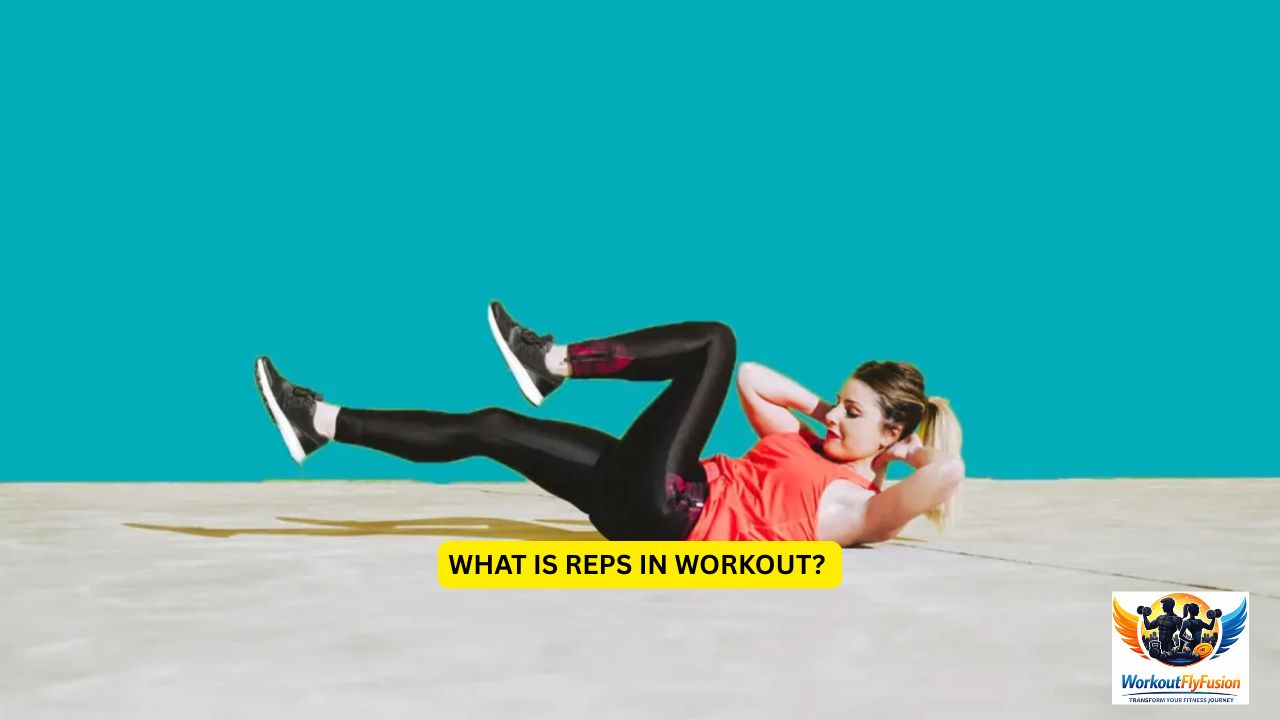
Walking into a gym for the first time can feel like landing in a foreign country. Everyone’s speaking a different language—reps, sets, PR, failure, hypertrophy. Confusing, right? Don’t worry, we’ve all been there.
Why Fitness Terms Matter
Understanding workout terms helps you train smarter, not harder. When you know what reps mean, you stop guessing and start progressing.
Common Gym Words Beginners Get Confused About
Reps, sets, rest, tempo—these words show up in every workout plan. Among them, reps is the foundation. Get this right, and everything else clicks into place.
What Does Reps Mean in Workout?
Definition of Reps
“Reps” is short for repetitions. One rep means performing one complete movement of an exercise.
If you lift a dumbbell up and lower it back down once—that’s 1 rep.
Simple Example of Reps
- 1 push-up = 1 rep
- 10 push-ups = 10 reps
Think of reps like steps on a staircase. Each step counts, and together they take you higher.
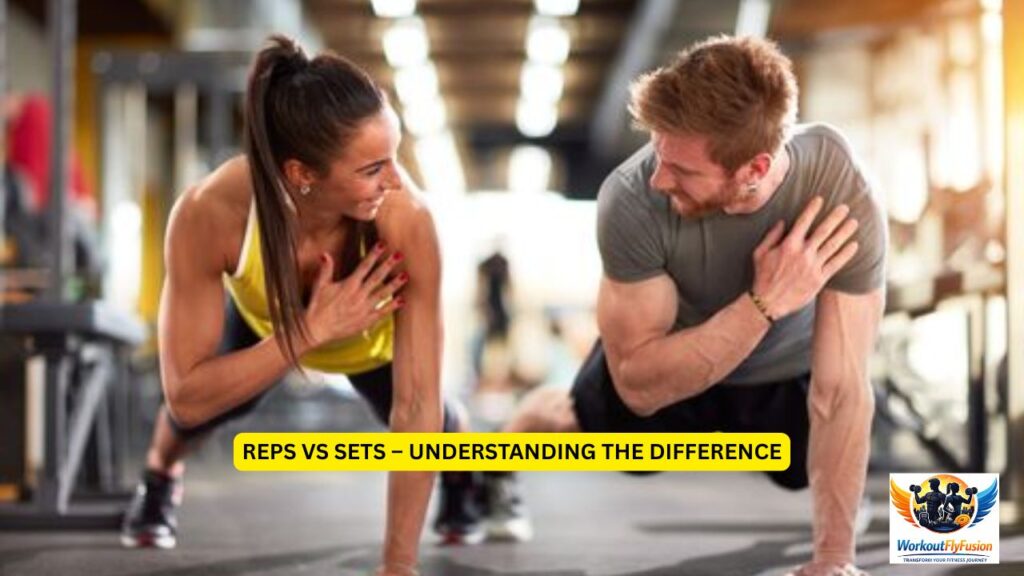
Reps vs Sets – Understanding the Difference
This is where most beginners get stuck.
What Is a Set?
A set is a group of reps performed without stopping.
How Reps and Sets Work Together
If your workout says:
- 3 sets of 10 reps
It means:
- Do 10 reps
- Rest
- Repeat this 3 times
Reps and Sets Example Explained
Imagine brushing your teeth:
- One brush stroke = rep
- Brushing for 2 minutes = set
Both matter, but reps define the action.
Why Reps Are Important in Exercise
Reps aren’t random numbers. They control how your body adapts.
Muscle Growth
Moderate reps stress the muscle just enough to grow bigger and stronger.
Strength Building
Low reps with heavy weight train your nervous system to lift more powerfully.
Endurance Improvement
High reps teach your muscles to keep going longer without fatigue.
Reps are like the steering wheel of your workout—they decide where you’re headed.
Types of Reps in Workout
Not all reps are created equal.
Standard Reps
Normal speed, full range of motion. Perfect for beginners.
Slow Reps
Slower movement increases muscle tension. Great for muscle control.
Fast Reps
Explosive reps build power but require good form.
Partial Reps
Half movements, often used to break plateaus.
Drop Set Reps
Reduce weight mid-set and continue reps. Brutal—but effective.
How Many Reps Should You Do?
This depends on your goal.
Reps for Beginners
8–12 reps per set is a sweet spot. Safe, effective, and easy to learn.
Reps for Muscle Gain (Hypertrophy)
8–12 reps challenge muscles just enough to grow.
Reps for Strength Training
1–5 reps with heavy weights build raw strength.
Reps for Fat Loss
12–20 reps keep your heart rate up and burn calories.
Reps Range Breakdown
- 1–5: Strength
- 6–12: Muscle growth
- 12–20: Endurance & fat loss
Reps for Different Fitness Goals
Bodybuilding
Controlled reps, moderate weight, perfect form.
Weight Loss
Higher reps, shorter rest, more sweat.
Athletic Performance
Explosive reps combined with strength work.
Home Workouts
Bodyweight reps like squats and push-ups work wonders.
Reps in Cardio vs Strength Training
Are Reps Used in Cardio?
Not traditionally. Cardio focuses on time or distance.
Reps in Bodyweight Exercises
Push-ups, squats, lunges—all use reps even without weights.
Common Mistakes People Make With Reps
Doing Too Many Reps
More isn’t always better. Quality beats quantity.
Bad Form
Sloppy reps lead to injuries and poor results.
Copying Others Blindly
Your reps should match your fitness level, not someone else’s.
How to Choose the Right Reps for Yourself
Based on Fitness Level
Beginners need fewer reps with better form.
Based on Age and Recovery
Older lifters may need moderate reps and more rest.
Based on Time Availability
Short workout? Fewer reps, higher intensity.
Reps and Rest Time
Rest Between Reps and Sets
Reps happen continuously, but rest happens between sets.
How Rest Impacts Results
- Short rest = endurance & fat burn
- Long rest = strength & power
Progressive Overload and Reps
Increasing Reps Over Time
If you did 8 reps last week, aim for 9 or 10 this week.
When to Increase Weight Instead
When reps feel easy, it’s time to level up the weight.
Reps in Home Workout Plans
No-Equipment Reps
Squats, push-ups, planks—simple yet powerful.
Dumbbell and Resistance Band Reps
Perfect for flexible, at-home strength training.
Science Behind Reps and Muscle Growth
Muscle Fibers Explained Simply
Different reps activate different muscle fibers. Low reps hit strength fibers, high reps target endurance fibers.
Time Under Tension
More controlled reps mean muscles stay engaged longer—key for growth.
Final Tips for Using Reps Effectively
Listening to Your Body
Pain isn’t progress. Smart reps are.
Tracking Your Reps
Write them down. Progress loves data.
Read also:-
- Can’t Straighten Arm After Workout? Causes, Recovery, and Prevention Explained
- Does Pre Workout Make You Itchy? The Complete Science-Backed Guide
Conclusion
Reps are the backbone of every workout. Whether you’re lifting weights at the gym or doing push-ups at home, reps decide how your body changes. Think of reps as instructions you give your muscles—clear instructions bring clear results. Master reps, and you master your workout journey.
FAQs
1. What does reps mean in gym workouts?
Reps mean repetitions, or how many times you perform an exercise movement.
2. How many reps should beginners do?
Beginners should start with 8–12 reps per set.
3. Are more reps better for weight loss?
Higher reps help burn calories, but diet and consistency matter more.
4. Can I do reps without weights?
Yes, bodyweight exercises use reps effectively.
5. Should I increase reps or weight first?
Increase reps first, then increase weight once reps feel easy.