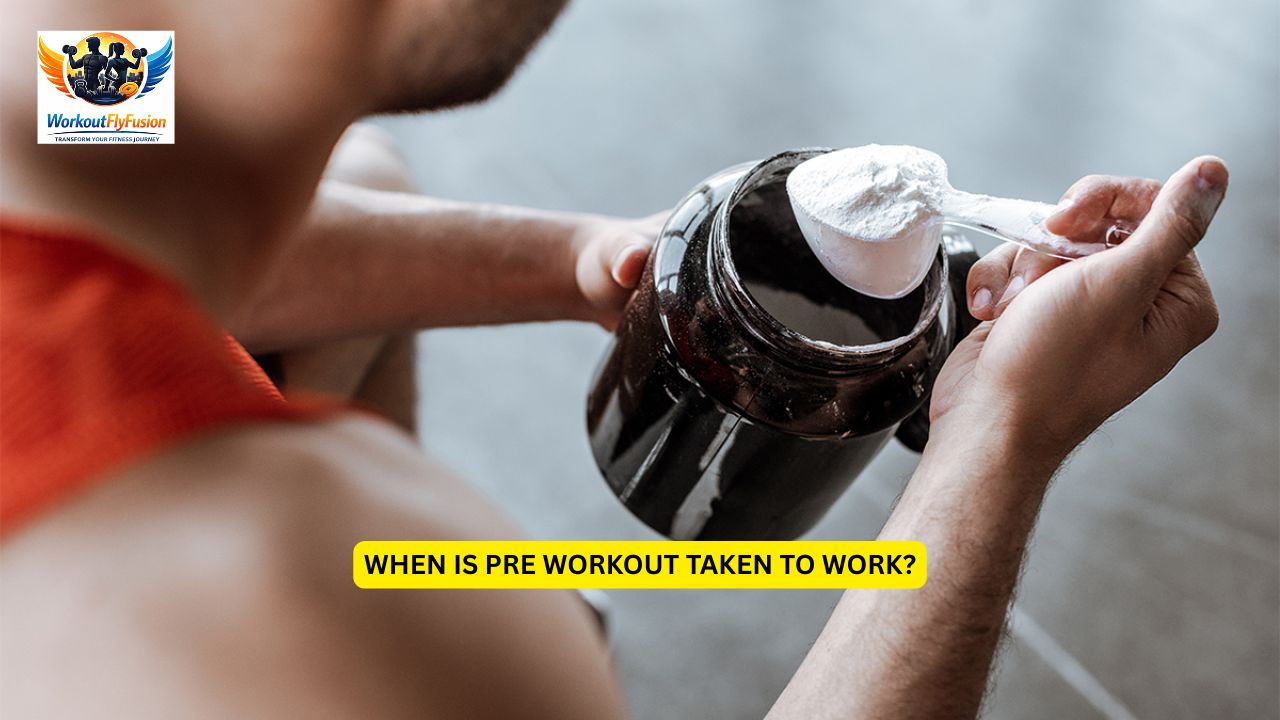
If you’ve ever stood in the gym locker room staring at a scoop of pre-workout and wondered, “Am I taking this at the right time?” — you’re not alone. Timing your pre-workout is just as important as choosing the right supplement. Take it too early, and the buzz fades. Take it too late, and you’re mid-set wondering why your heart feels like it’s auditioning for a drum solo.
So let’s break it all down in simple, real-world terms and answer the big question: when is pre workout taken to work?
What Is a Pre-Workout Supplement?
Pre-workout is designed to do one thing really well: prepare your body and mind for exercise. Think of it as a warm-up for your nervous system, not just your muscles.
Common Ingredients in Pre-Workout
Most pre-workouts include a mix of:
- Caffeine for energy and alertness
- Beta-alanine for endurance
- Creatine for strength and power
- Citrulline or arginine for blood flow (the “pump”)
- B vitamins for energy metabolism
Stimulant-Based vs Non-Stimulant Formulas
- Stimulant-based pre-workouts rely heavily on caffeine and kick in faster.
- Non-stim pre-workouts focus on pumps and endurance, making them better for late workouts or caffeine-sensitive people.
How Pre-Workout Supplements Work in the Body
Once you drink your pre-workout, it doesn’t magically teleport to your muscles. It has to go through digestion first.
Absorption and Digestion Timeline
Liquid pre-workouts are absorbed relatively quickly. Most ingredients enter your bloodstream within 15–45 minutes, depending on your metabolism and whether your stomach is full.
When Is the Best Time to Take Pre-Workout?
This is the sweet spot everyone wants to hit.
Ideal Time Window Before Exercise
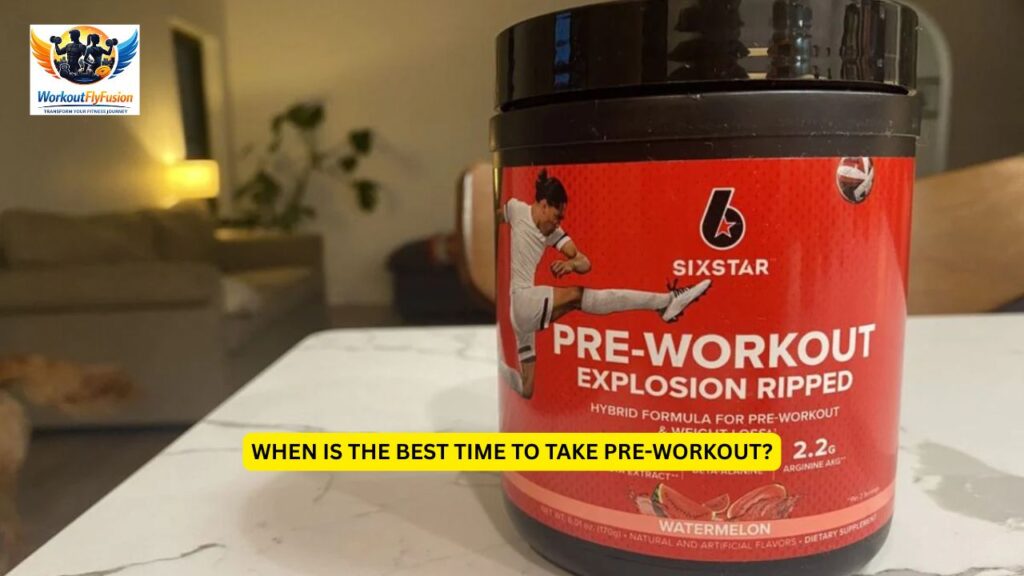
The best time to take pre-workout is 20–30 minutes before your workout.
This allows enough time for caffeine and pump ingredients to fully activate right as you start training.
Think of it like starting a car in winter—you don’t floor it immediately. You let it warm up first.
Morning vs Evening Workouts
- Morning workouts: Take pre-workout closer to 20 minutes before training.
- Evening workouts: Opt for low-caffeine or stim-free options to avoid sleep issues.
How Long Does Pre-Workout Take to Kick In?
Fast-Acting Ingredients
- Caffeine: Starts working in 15–30 minutes
- Nootropics (focus boosters): Often felt within 20 minutes
Slow-Release Ingredients
- Creatine: Works over time, not instantly
- Beta-alanine: Tingling may start around 20–30 minutes, but endurance benefits build with regular use
Factors That Affect Pre-Workout Effectiveness
Not everyone feels pre-workout the same way—and that’s normal.
Body Weight and Metabolism
Faster metabolism? You’ll feel it sooner.
Higher body weight? Effects may feel slightly muted.
Food Intake and Hydration
- Empty stomach: Faster absorption, stronger hit
- Full stomach: Slower absorption, smoother energy
Hydration matters too. Dehydration can blunt pre-workout effects.
How Long Do Pre-Workout Effects Last?
Energy, Focus, and Pump Duration
Most pre-workouts last 2–4 hours, depending on caffeine dose and formula. Pumps may fade sooner, but focus and alertness can linger—sometimes too long if taken late.
Can You Take Pre-Workout Too Early or Too Late?
Absolutely.
- Too early: Energy peaks before your workout even starts.
- Too late: You’re halfway through training before feeling anything.
Timing is everything. Treat pre-workout like a countdown timer, not a guess.
Pre-Workout Timing for Different Fitness Goals
Strength Training
Take it 25–30 minutes before lifting to maximize power and focus.
Cardio and Endurance
A lighter dose 15–20 minutes before is usually enough.
Fat Loss Workouts
Pre-workout can help intensity, but don’t rely on it alone—nutrition still rules.
Is It Safe to Take Pre-Workout Every Day?
Generally yes, if used responsibly.
However:
- Cycle off every few weeks
- Avoid stacking with other caffeine sources
- Listen to your body
More isn’t better. Smarter is better.
Signs Your Pre-Workout Is Working
- Increased focus and motivation
- Improved endurance
- Better pumps
- Reduced workout fatigue
If you feel jittery or anxious, that’s a sign your timing or dosage needs adjustment.
Common Mistakes People Make With Pre-Workout Timing
- Taking it right before training
- Drinking it with a heavy meal
- Using it too late at night
- Overdosing for “extra energy”
Pre-workout isn’t a shortcut—it’s a tool.
Alternatives If Pre-Workout Doesn’t Work for You
If pre-workout isn’t your thing, try:
- Black coffee
- Beetroot juice
- Banana + salt
- Green tea
Sometimes simple wins.
Read also:-
- What Is Reps in Workout? A Complete Beginner-to-Advanced Guide
- Can You Workout After Donating Plasma?
Conclusion:-
So, when is pre workout taken to work?
The answer is clear: 20–30 minutes before your workout is the sweet spot for most people. That timing gives your body enough room to absorb the ingredients and lets you hit the gym at full throttle.
Remember, pre-workout is like a volume knob, not an on/off switch. Use it wisely, time it smartly, and let your training do the real talking.
FAQs:-
1. Can I take pre-workout immediately before exercise?
You can, but it’s not ideal. Most benefits kick in after 20–30 minutes.
2. Does pre-workout work faster on an empty stomach?
Yes, but it may feel stronger and cause jitters for some people.
3. How late is too late to take pre-workout?
Avoid taking it within 6 hours of bedtime if it contains caffeine.
4. Can beginners take pre-workout?
Yes, but start with half a scoop to assess tolerance.
5. Why doesn’t my pre-workout work anymore?
You may have built tolerance. Take a break or switch formulas.